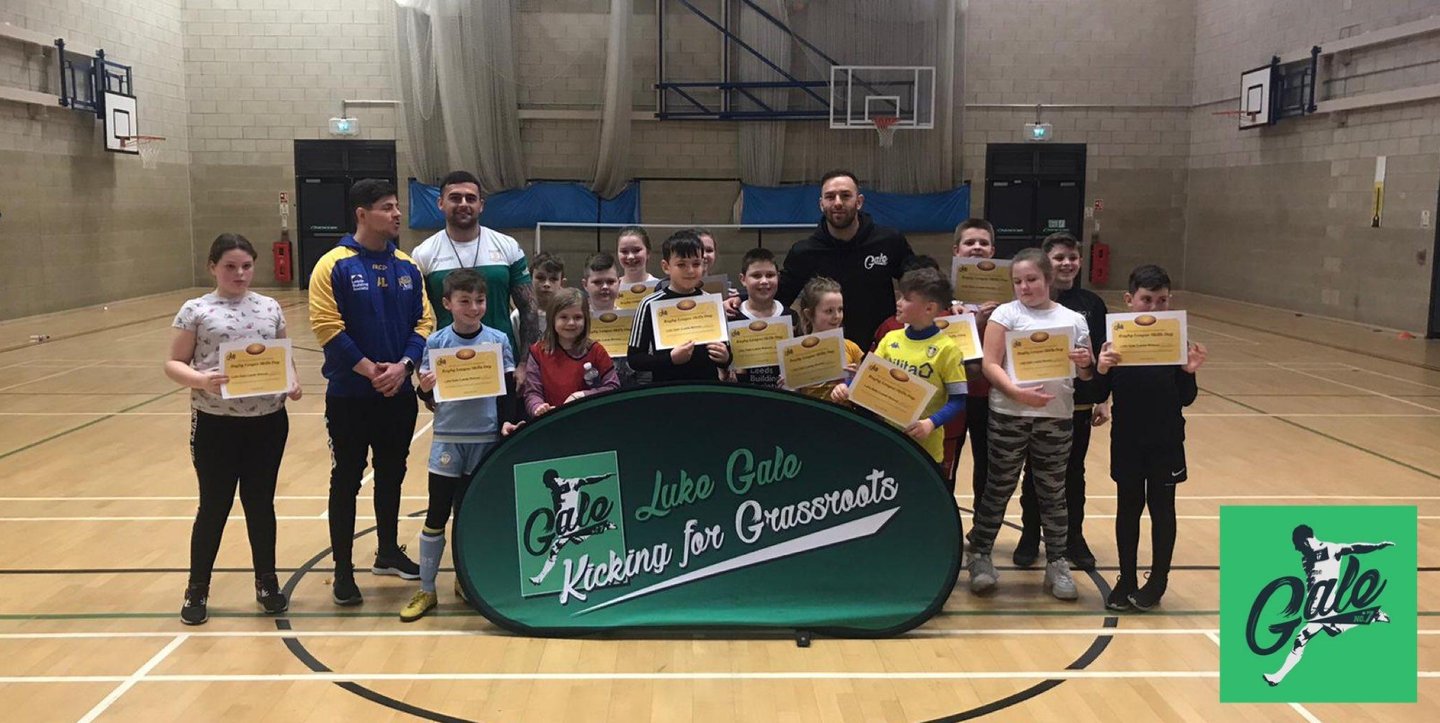
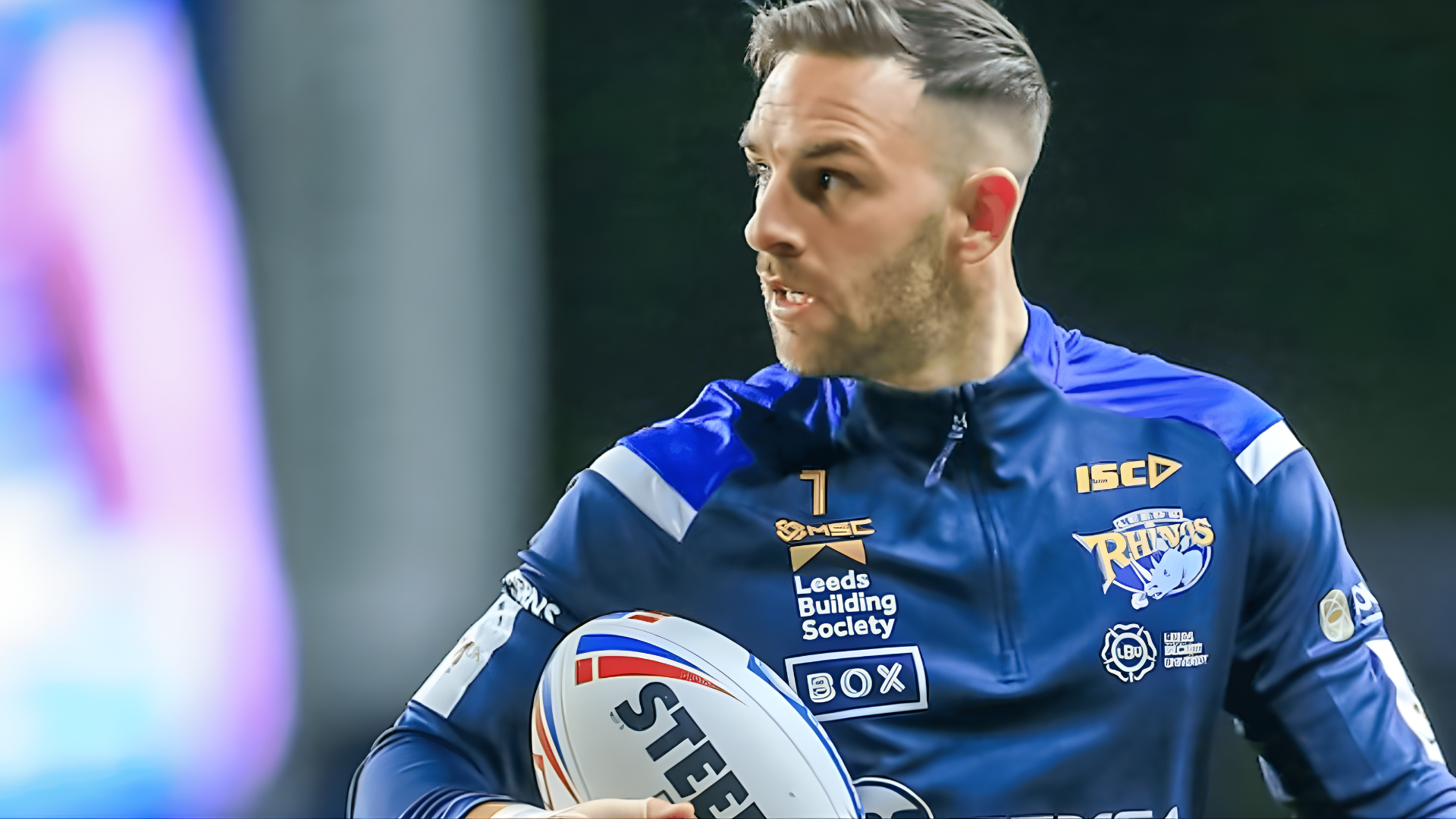
Meet Luke Gale
Early life & beginnings
Luke Gale was born on 22 June 1988 in Leeds, West Yorkshire, England.
He came through the youth system at his hometown club Leeds Rhinos, but early on he found the first-team pathway blocked and had to seek opportunities elsewhere.
In his early senior years he went on loan to lower-tier clubs (for example Doncaster RLFC) where he made his mark and built up experience.
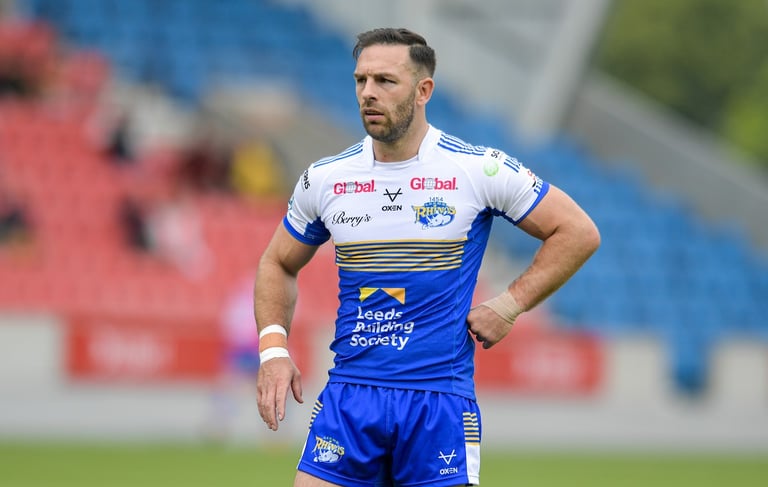
Rise through the clubs


After his initial years, he moved into the Super League: stints at Harlequins RL (later London Broncos), then Bradford Bulls where despite club challenges he developed his game.
His big breakthrough came at Castleford Tigers from 2015: he became central to their attack, enjoying standout seasons.


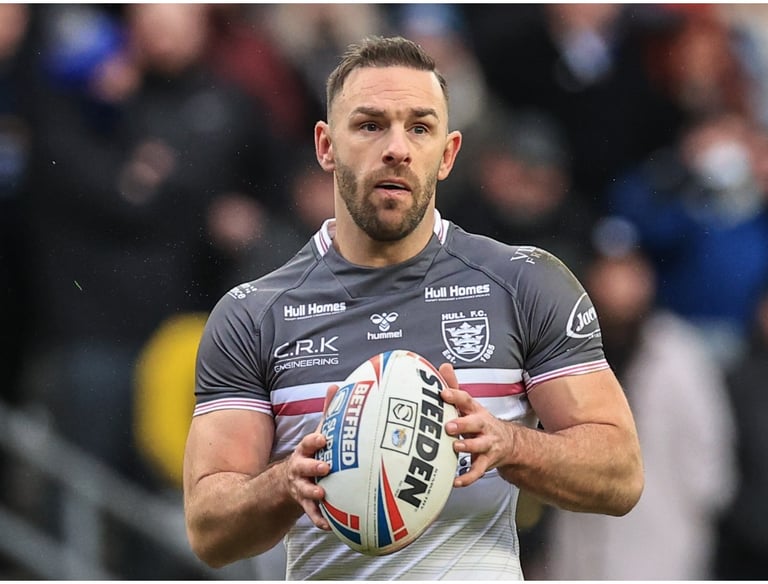
In 2017, Gale had one of his finest seasons. He led Castleford to win the League Leaders’ Shield and reach their first Grand Final. In that season he was awarded the prestigious Man of Steel award.
He also repeatedly won the Albert Goldthorpe Medal, recognising his consistently high performance.
In 2020, he returned to Leeds Rhinos — his boyhood club — and helped them win the Challenge Cup, famously with a late drop-goal in the final.
Peak & honours
As his career progressed, Gale also experienced setbacks: serious injuries (such as a knee injury in 2018, an Achilles rupture later) affected his playing time.
He also took on leadership roles: for example when he joined Hull FC in 2022 he was named captain.
Beyond the field, his journey shows resilience: being released early by Leeds, dropping down to lower leagues, re-emerging and reaching the top. The Guardian article from 2017 highlights how he “worked part-time with his dad” as he struggled early in his career
Later career & character
Transition & what’s next
More recently, after his playing days at the top level, he has moved towards coaching and mentoring.
In November 2025, Luke joined Hull KR as assistant coach on a two-year deal.
His story is a good example of how perseverance, adaptation, and leadership can define a professional athlete’s career beyond just the statistics.
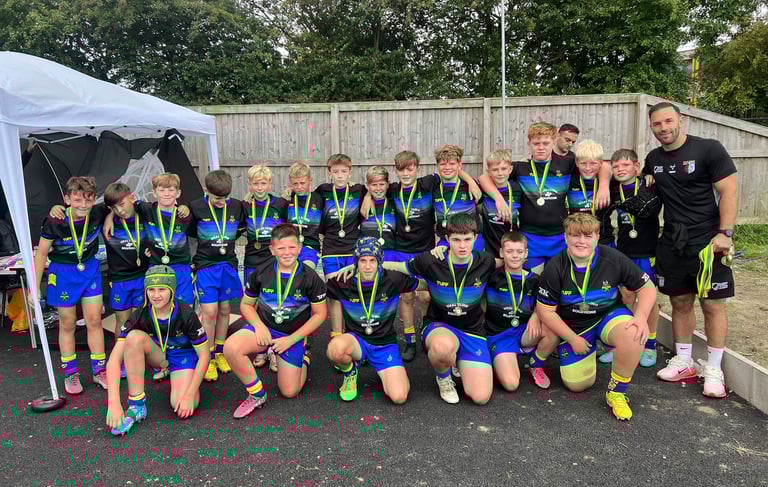
Why his story matters
Luke Gale’s path reminds us that talent alone isn’t enough: he had to move clubs, adapt, deal with injuries, and still deliver high-level performances.
His peak years show how preparation + opportunity = excellence.
His later transition into coaching points to the idea of legacy and giving back — valuable lessons for younger players.